When consumers start putting “gut health” on their shopping lists, the rules of the snack aisle begin to change quietly. For food importers and trading companies, this is more than just another passing trend—it is a sourcing opportunity worth entering early.
From a Wellness Topic to a Purchase Driver on the Shelf
In the past, “gut health” was mostly associated with the dietary supplement aisle. Today, it has moved into snacks, beverages, and even breakfast cereals. Market research firm Innova has identified gut health as the leading global food and beverage trend for 2026, and the reason is simple: consumers are voting with their wallets.
According to consumer surveys, at least half of consumers worldwide are actively looking to increase their intake of fiber and probiotics, while nearly 70% rank fiber among the nutrients they most want to consume more of. Even more notably, 46% of consumers consider “probiotic support” a top priority when choosing healthier snacks.
Gut health has moved beyond being a vague wellness concept. It has become a real and measurable purchase driver on store shelves.
Why the “Fiber Gap” Is at the Heart of This Trend
Behind this growing demand is a widely recognized nutritional reality: most people consume only around half of the recommended amount of dietary fiber.
In Taiwan, for example, the Health Promotion Administration recommends that adults consume 25–35 grams of dietary fiber per day. However, national nutrition surveys indicate that around 90% of the population fails to meet this recommendation, with actual intake often reaching only about half of the suggested amount.
This “fiber gap” has increasingly become a topic of discussion across social media and mainstream media, transforming the idea of “getting more fiber” from an expert recommendation into an everyday consumer need that people are willing to pay for.
The key point is that probiotics and dietary fiber work as a team. Fiber serves as “food” for beneficial gut bacteria. Taking probiotics without sufficient fiber may make it more difficult for these beneficial bacteria to thrive and multiply in the digestive system.
This is why product development in 2026 is increasingly focusing on combined formulations featuring probiotics + prebiotics (fiber) rather than relying on probiotics alone.
Three Product Trends to Watch in 2026
1. Prebiotics and postbiotics are entering the spotlight—not just probiotics.
Alongside familiar probiotics, prebiotics and postbiotics are rapidly emerging as new product selling points. Brands are using fermented ingredients and multifunctional formulations to deliver broader functional benefits and meet growing consumer expectations for products with stronger scientific credibility.
2. Fiber diversity is replacing “fiber maximization.”
The social-media-driven trend of “fibermaxxing” is beginning to cool, while the focus is shifting toward “fiber diversity”—encouraging consumers to eat up to 30 different plant-based foods each week in order to obtain a wider variety of fiber sources and support a healthier gut microbiome.
For importers and food suppliers with broad product portfolios, this creates a natural competitive advantage.
3. Healthy still has to taste good.
Consumers want healthier snacks that still look and taste indulgent.
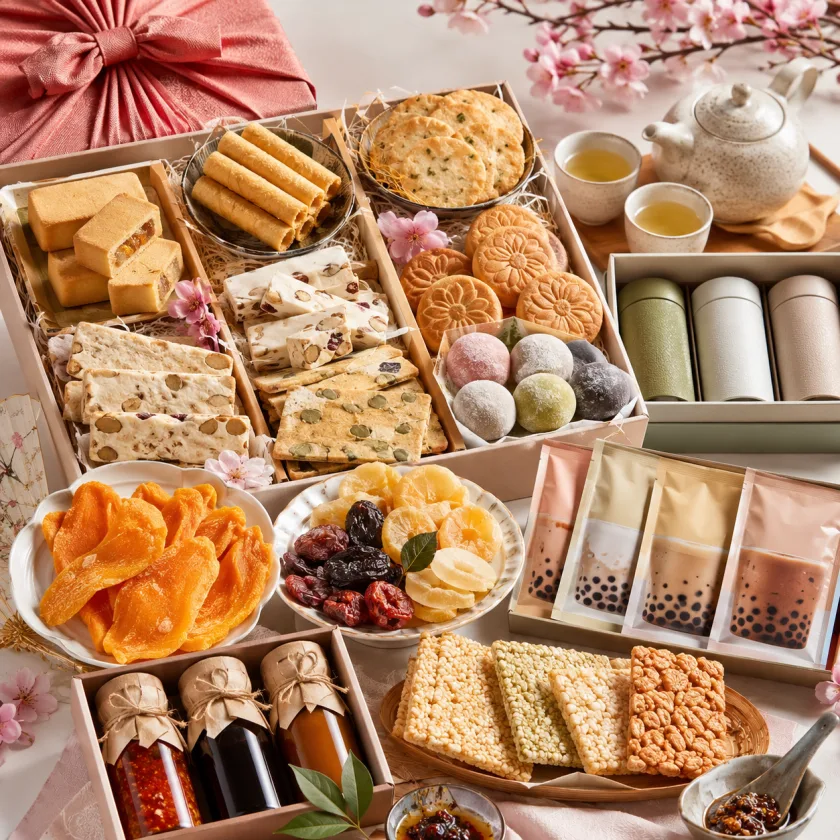
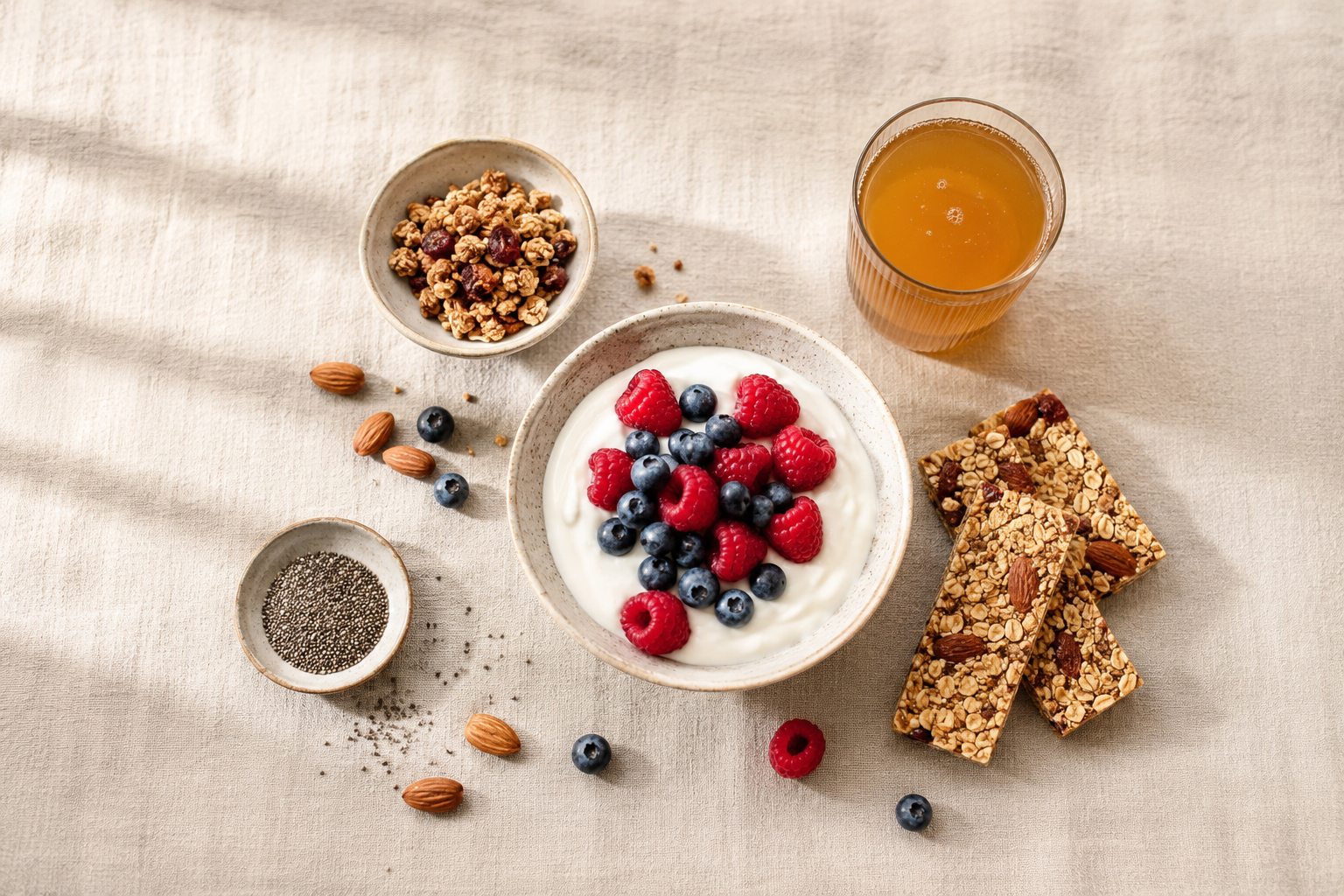
In other words, high fiber and probiotic benefits cannot come at the expense of flavor or texture. Fermented snacks, high-fiber treats, gut-friendly biscuits, and functional beverages are becoming key categories in this growing movement toward “health that tastes good.”
How Big Is the Market? The Numbers Tell the Story
This is not a short-lived trend.
The global gut-health snack market is projected to grow from approximately USD 2.15 billion in 2026 to USD 5.79 billion by 2036, representing a compound annual growth rate of approximately 10.4%.
Global food leaders such as Nestlé, Mondelēz, and Danone have already increased their investment in this category. When major international companies begin committing significant resources to a market, it is a strong indication that they see meaningful long-term growth potential.
Three Actionable Recommendations for Food Importers and Traders
For importers and trading companies, the real opportunity is not simply to follow the trend and add a few products to the shelf. The advantage comes from identifying the right products early.
First, prioritize products with clear functional benefits. Look for items that can clearly communicate probiotics, prebiotics, or dietary fiber content on the packaging. Products featuring clean-label positioning or “no added” claims may also appeal to increasingly selective consumers.
Second, build a sourcing advantage through product diversity. Instead of importing only one or two bestselling items, consider developing a broader portfolio that includes fermented foods, high-fiber snacks, and functional beverages. This approach aligns naturally with the “30 plants per week” concept and allows retail partners to build a more complete gut-health assortment at once.
Third, turn the trend into a compelling story. When preparing quotations, presentations, or product proposals, include supporting insights such as the “fiber gap” or the fact that gut health has been identified as a leading food and beverage trend for 2026.
Providing this type of market context can help retailers feel more confident about listing new products—and position your company not merely as a supplier, but as a trusted trend and sourcing partner.
Conclusion
Gut health has become a major keyword for 2026 because it brings together three powerful factors: a clear nutritional need—the fiber gap; strong scientific positioning through the combination of probiotics and prebiotics; and enjoyable products that consumers actually want to eat.
For food importers and trading companies, now is an ideal time to review existing product portfolios and identify gaps in functional offerings.
As consumers begin making more room in their shopping carts for “gut health,” the companies that prepare their product selection first will be better positioned to win space on the shelf.