


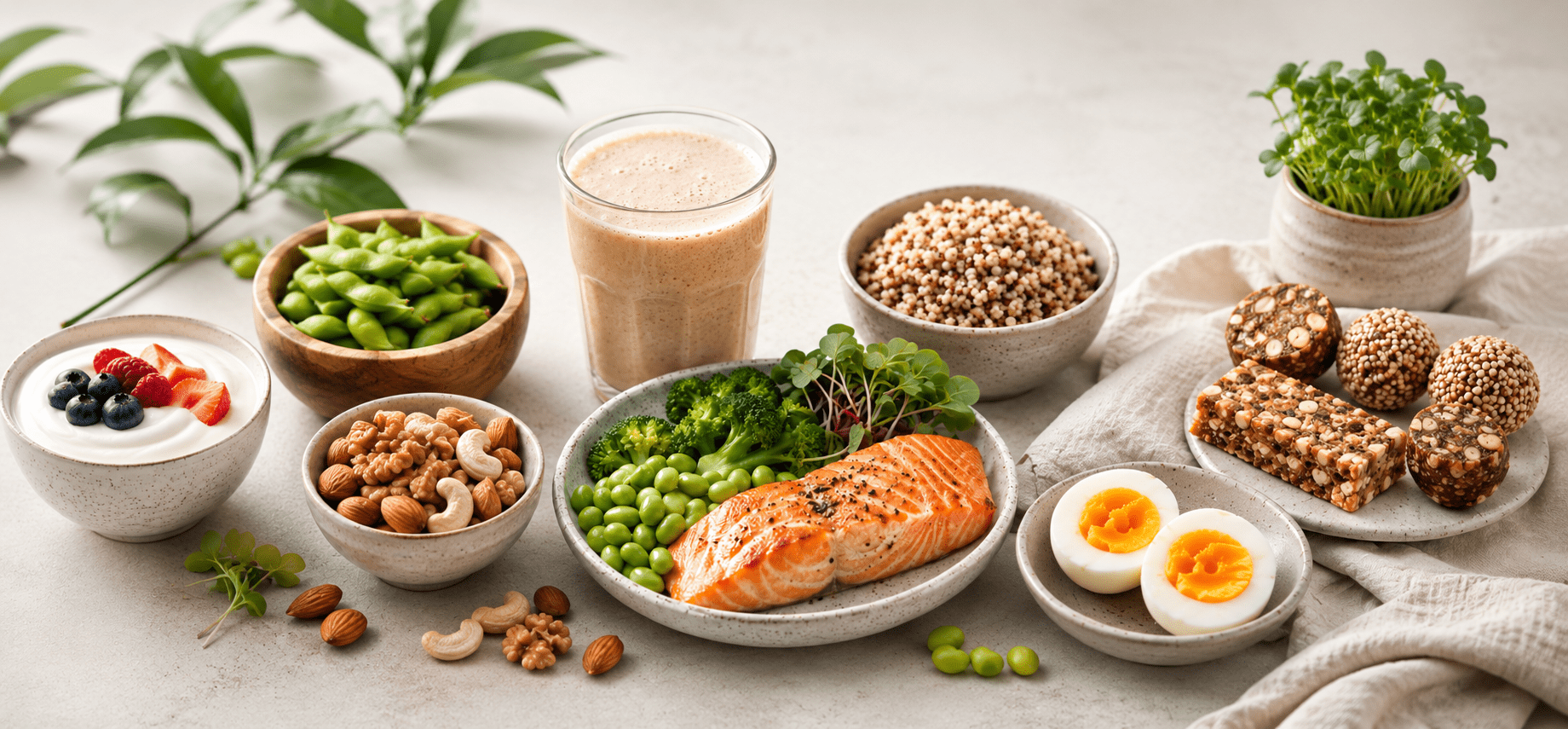
As global consumers place greater emphasis on health management, body composition, and daily nutrition, protein is rapidly moving beyond the sports nutrition category and becoming one of the most important trends in the food and beverage industry for 2026. From high-protein snacks and ready-to-drink protein beverages to protein coffee, protein cereal bars, baked goods, and plant-based protein products, protein is no longer a niche demand for fitness enthusiasts. It is becoming a mainstream factor that consumers consider when choosing everyday foods.
In recent years, consumers have expected more from food than just taste and convenience. They are increasingly looking for functional benefits, satiety, and daily nutritional support. Protein is widely associated with maintaining muscle mass, increasing fullness, supporting weight management, and supplementing daily nutrition, making it a key ingredient with both health value and market appeal. In today’s fast-paced lifestyle, high-protein products that are convenient, portable, and suited to diverse dietary needs are becoming an important direction for food innovation.
The 2026 protein trend shows three major areas of development. First, protein products are expanding beyond traditional protein powders and energy bars into a wider range of everyday food categories. High-protein concepts are now appearing in beverages, snacks, baked goods, breakfast products, desserts, and ready-to-eat meals, allowing consumers to naturally incorporate protein into different occasions throughout the day. Second, consumers are increasingly seeking products that are both healthy and enjoyable. Brands are not only highlighting protein content, but also focusing on taste, texture, and overall eating experience. Third, plant protein, whey protein, collagen protein, and blended protein sources continue to evolve, enabling products to meet different market demands such as vegetarian diets, dairy alternatives, body management, and beauty-related nutrition.
High-protein snacks have become one of the fastest-growing categories. Traditional snacks have long focused on flavor, packaging, and leisure occasions, but today’s consumers increasingly expect snacks to provide nutritional value as well. High-protein cookies, bean-based snacks, nut bars, jerky, fish snacks, protein crisps, and dairy-based treats combine indulgence with wellness, transforming snacks from purely enjoyable products into functional daily nutrition options.
Protein beverages are another key growth area. Beyond traditional protein shakes, the market is seeing more protein water, protein coffee, protein sparkling drinks, protein milk tea, and ready-to-drink nutrition beverages. This shows that protein is being integrated into lighter, more lifestyle-oriented drinking occasions. For younger consumers, office workers, and those seeking post-workout nutrition, ready-to-drink products offer convenience, speed, and daily usability. They also allow brands to increase consumer acceptance through flavor innovation and packaging design.
Driven by global health trends, protein is also becoming more closely connected with the weight management market. As consumers pay more attention to calorie control, portion management, and nutrient density, products featuring high protein, low sugar, low carbohydrates, or added fiber are gaining stronger appeal. In the future, foods that can deliver high protein, enjoyable taste, lower burden, and convenient consumption will have greater potential to stand out in the international market.
For Asian food brands, the protein trend also creates new opportunities for product development. Asian food culture already offers a wide range of protein-rich ingredients, such as soybeans, black beans, sesame, nuts, grains, fish, seaweed, and dairy products. These ingredients can be developed into products that combine local characteristics with global health positioning. By integrating Asian flavors, light-meal concepts, and high-protein nutrition claims, brands can build stronger differentiation in Europe, North America, and other international markets.
Overall, protein is no longer just a single nutritional ingredient. It has become an important factor reshaping how the food industry defines health, convenience, and taste. Looking ahead to 2026, brands that understand the daily, snack-based, beverage-driven, and diversified development of protein will be better positioned to meet the needs of next-generation consumers and create new growth opportunities in the health and functional food markets.