


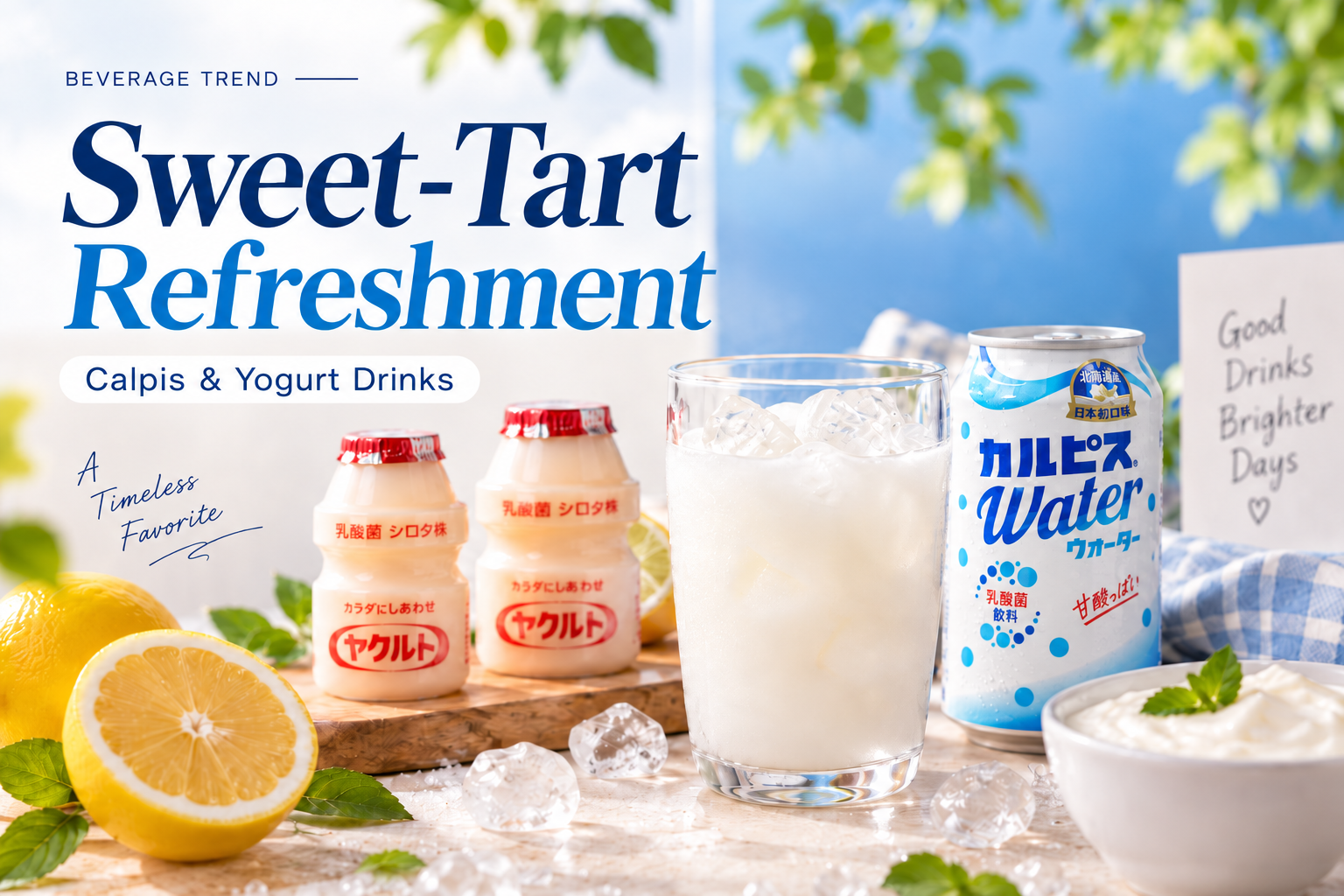
A Classic Beverage Riding a New Wave of Health Trends
Calpis was first introduced in 1919 and has since become one of Japan’s most iconic beverages. Made using fermented milk, it is known for its refreshing sweet-and-tart flavor created through lactic acid fermentation. Yogurt-flavored drinks share a similar appeal, with fermentation and beneficial bacteria at the heart of their positioning.
Interestingly, these classic beverages have not lost momentum in 2026. In fact, they are becoming increasingly relevant.
The reason is simple: as gut health becomes one of the world’s biggest wellness priorities, beverages built around lactic acid bacteria and fermentation naturally sit at the center of the trend.
The Numbers Tell the Story: Fermented Beverages Continue to Grow
This demand is supported by strong market data. The global probiotic beverage market is projected to reach US$33.59 billion in 2026, with a compound annual growth rate of approximately 8.17%. Dairy-based probiotic drinks account for nearly 68.8% of the market.
Their familiar taste, enjoyable drinking experience, and widely recognized digestive-health benefits have helped them maintain a dominant position. Yogurt drinks have also benefited from decades of brand recognition and consumer trust, allowing them to retain a significant share of the market.
In other words, when consumers think about adding “good bacteria” to their diets, a sweet-and-tart bottle of fermented milk drink is often one of the first products that comes to mind.
Why Do They Remain Popular? Three Key Reasons
1. Great taste is the strongest competitive advantage.
For a functional beverage to achieve long-term success, it still needs to taste good. The refreshing sweet-and-tart profile of Calpis and yogurt drinks turns consuming beneficial bacteria into something enjoyable rather than a health obligation. This gives them an advantage over many more medicinal-tasting functional beverages.
2. They appeal to the whole family.
From products designed for children to beverages positioned around adult wellness, lactic acid bacteria drinks can reach consumers across a wide range of age groups. This broad accessibility also supports frequent household purchases and stable repeat consumption.
3. They can continuously evolve through new flavors and functions.
Fruit and vegetable blends, added dietary fiber, premium milk sources, calcium fortification and other innovations allow established products to stay fresh and relevant. By extending both flavor and functionality, brands can continually give consumers new reasons to purchase.
Three Takeaways for Food Traders and Distributors
First, classic products provide a stable foundation. Highly recognizable items such as Calpis already benefit from strong consumer awareness and trust, making them relatively reliable choices for retailers seeking products with long-term shelf potential.
Second, functional extensions can create new talking points. Versions featuring dietary fiber, prebiotics, reduced sugar or clean-label formulations can tap into both the gut-health and clean-label trends, helping brands differentiate themselves and potentially support higher margins.
Third, never underestimate the power of ready-to-drink convenience. Smaller bottles, portable formats and single-serve packaging fit perfectly with modern consumers’ desire to support gut health anytime and anywhere. These formats are also easy for retailers to display, bundle and promote.
Conclusion
The enduring popularity of Calpis and yogurt-flavored beverages demonstrates one important principle: the most sustainable functional products successfully combine great taste with meaningful benefits.
As gut health becomes a major consumer priority in 2026, these century-old sweet-and-tart beverages are likely to become even more relevant. For food traders and distributors, the most practical strategy is a two-track approach—maintain a strong selection of trusted classics while using functional extensions to capture emerging consumer trends.